Mazyad tower1, 7th Floor ,Office # 37 , PO Box: 6001 , Abu-Dhabi - U.A.E.
The landscape of online gaming is constantly evolving, demanding ever-increasing performance and responsiveness. For players in Malaysia and the surrounding region, achieving a smooth and lag-free gaming experience has often been a challenge. However, advancements in network infrastructure and dedicated gaming platforms are rapidly changing this, with notable strides being made around https://96ms-malaysia.com. This initiative and others like it are focused on minimizing latency and maximizing connection stability, leading to a substantial boost for regional esports and the overall gaming community.
The impact of low latency, often measured in milliseconds (ms), is profound. Even small delays can disrupt timing-critical actions in fast-paced games, leading to frustration and competitive disadvantage. Reducing ping times, as 96ms.my aims to do, translates directly to improved accuracy, quicker reaction times, and a more immersive and enjoyable gaming session. This isn't just beneficial for professional esports athletes but for every casual gamer seeking a fluid and seamless experience. It’s about leveling the playing field and ensuring that geographical location doesn’t dictate a player’s success.
In the realm of online gaming, latency, or ping, represents the time it takes for data to travel from your device to the game server and back. This seemingly small number has a monumental impact on gameplay, especially in genres that require precision and quick reflexes, like first-person shooters, fighting games, and real-time strategy. High latency leads to noticeable delays, causing actions to feel sluggish, movements to appear jerky, and ultimately, hindering a player's ability to compete effectively. The lower the latency, the better the gaming experience; a target of under 50ms is often considered ideal for competitive play. The advancements being made are specifically geared toward achieving this ideal for a wider range of players.
Beyond the direct impact on gameplay, low latency also contributes to a more immersive experience. When actions are executed without delay, the connection between the player and the game world feels more immediate and responsive. This can be particularly important for games that rely on a strong sense of presence and engagement, such as virtual reality experiences.
| Latency Range (ms) | Gaming Experience |
|---|---|
| Below 30 | Excellent – Virtually lag-free. Ideal for competitive gaming. |
| 30-50 | Good – Noticeable but not disruptive lag. Suitable for most games. |
| 50-100 | Acceptable – Some lag may be noticeable, particularly in fast-paced games. |
| 100+ | Poor – Significant lag, making gaming frustrating and difficult. |
The table above illustrates how significantly latency impacts the quality of gaming. The focus on reducing these numbers, driven by initiatives like those seen at 96ms.my, is therefore paramount to providing a superior gaming experience.
Several factors contribute to gaming latency, making it a complex issue to address. Distance to the game server is a primary contributor; the further the data has to travel, the longer it takes. The type of internet connection also plays a crucial role – fiber optic connections generally offer lower latency and greater stability than traditional cable or DSL connections. Network congestion, both on your local network and on the wider internet, can introduce delays as data packets compete for bandwidth. Finally, the hardware and software on your computer, including your network card and drivers, can also contribute to latency. Optimizing these elements is key to minimizing overall ping times.
While large-scale infrastructure improvements are essential, there are also steps gamers can take to optimize their home networks and reduce latency. Using a wired Ethernet connection instead of Wi-Fi can provide a more stable and reliable connection. Closing unnecessary applications and programs that consume bandwidth can free up resources for gaming. Upgrading your router to a newer model with improved quality of service (QoS) features can also help prioritize gaming traffic. Practicing good network hygiene, such as regularly restarting your modem and router, can also resolve temporary glitches and improve performance. These, when combined with regional infrastructure upgrades, contribute to a noticeable benefit for gamers.
Implementing these suggestions in conjunction with infrastructure improvement in regions like Malaysia will significantly reduce the average latency experienced by gamers, enhancing their gameplay and overall enjoyment.
One of the most significant developments in recent years has been the proliferation of regional gaming servers. Historically, many games were hosted on servers located in North America or Europe, resulting in high latency for players in Asia. The establishment of servers closer to the target audience, such as those being facilitated around 96ms.my, drastically reduces the distance data needs to travel, leading to lower ping times and a more responsive experience. This trend is driven by both the increasing demand for online gaming in Asia and the decreasing cost of establishing and maintaining servers in the region. It demonstrates a commitment to providing a superior gaming experience to a rapidly growing player base.
Content Delivery Networks (CDNs) play a vital role in delivering game content efficiently. CDNs store copies of game files on servers strategically located around the world. When a player downloads a game or updates, the content is delivered from the nearest CDN server, reducing download times and minimizing latency. CDNs are particularly important for large games with frequent updates, ensuring that players can quickly access the latest content without experiencing significant delays. These systems work hand-in-hand with localized servers to create a seamless gaming experience.
The synergy between regional servers and robust CDNs represents a significant leap forward in providing low-latency gaming experiences for players worldwide, and especially benefits gamers in areas like Malaysia.
The improvements in gaming performance around initiatives like https://96ms-malaysia.com are having a particularly significant impact on the burgeoning esports scene in Malaysia. Esports require a highly competitive environment where milliseconds can make the difference between victory and defeat. Low latency is essential for ensuring fair play and allowing players to showcase their skills to the fullest extent. With more reliable and responsive connections, Malaysian esports athletes can compete on a more level playing field with their international counterparts. This, in turn, is attracting increased investment in the Malaysian esports ecosystem, fostering the growth of local teams and leagues.
The rise of esports also creates new opportunities for economic growth and skill development. Professional gamers, coaches, analysts, and event organizers are all in demand, contributing to a thriving industry. Investing in infrastructure that supports low-latency gaming is therefore not only beneficial for gamers but also for the broader economy. The increased stability in connection will allow for more consistent streaming, strengthening the community around Malaysian esports.
The pursuit of lower latency and improved gaming performance is a continuous process. Several emerging technologies hold the potential to further enhance the online gaming experience. 5G cellular networks, with their ultra-low latency and high bandwidth, are poised to revolutionize mobile gaming. Edge computing, which involves processing data closer to the user, can reduce latency by minimizing the distance data needs to travel. Network virtualization, which allows for more flexible and efficient network management, can optimize routing and prioritize gaming traffic. These innovations, when combined with ongoing advancements in hardware and software, will continue to push the boundaries of what’s possible in online gaming.
Furthermore, the development of more sophisticated network monitoring and diagnostic tools will allow gamers and network administrators to identify and address latency issues more effectively. Artificial intelligence (AI) and machine learning (ML) can be used to predict network congestion and proactively optimize routing to minimize delays. The future of gaming networks is about intelligent, adaptable systems that provide a seamless and immersive experience for players, regardless of their location.
While the focus of this discussion has been on gaming, the benefits of improved connectivity extend far beyond the digital entertainment realm. The same infrastructure improvements that reduce latency for gamers also benefit a wide range of other applications, including remote work, telehealth, and virtual reality. Low latency is essential for enabling real-time collaboration, remote surgery, and immersive virtual experiences. As more and more aspects of our lives become digitized, the demand for reliable, low-latency connections will only continue to grow. Addressing this demand is crucial for driving innovation and economic growth across a wide range of industries.
The expansion of robust network infrastructure, driven in part by the needs of the gaming community, creates a positive feedback loop. As more people and businesses rely on high-speed, low-latency connections, the incentive to invest in further improvements increases. This virtuous cycle ultimately benefits everyone, fostering a more connected and innovative society. The work being done with platforms like 96ms.my could serve as a model for other regions looking to unlock the full potential of digital technologies.
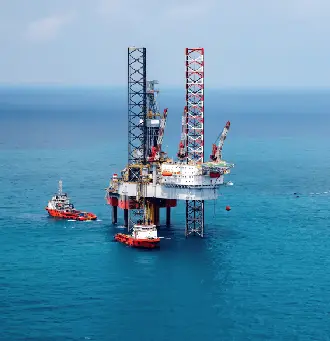
FOHMICS offer engineering and prime contracting services in fields related to the production and distribution of different types of energy. Our procurement teams work closely with engineers, clients and vendors to define requirements and ensure specifications and schedules are met.

FOHMICS offer engineering and prime contracting services in fields related to the production and distribution of different types of energy. Our procurement teams work closely with engineers, clients and vendors to define requirements and ensure specifications and schedules are met.
2026©All Rights Reserved FOHMICS OIL AND GAS EQUIPMENTS TRADING AND SERVICES - L.L.C . Developed by